
I got into this work because OCD is routinely misunderstood.
I stayed in it because too many people with OCD feel unseen and unheard.
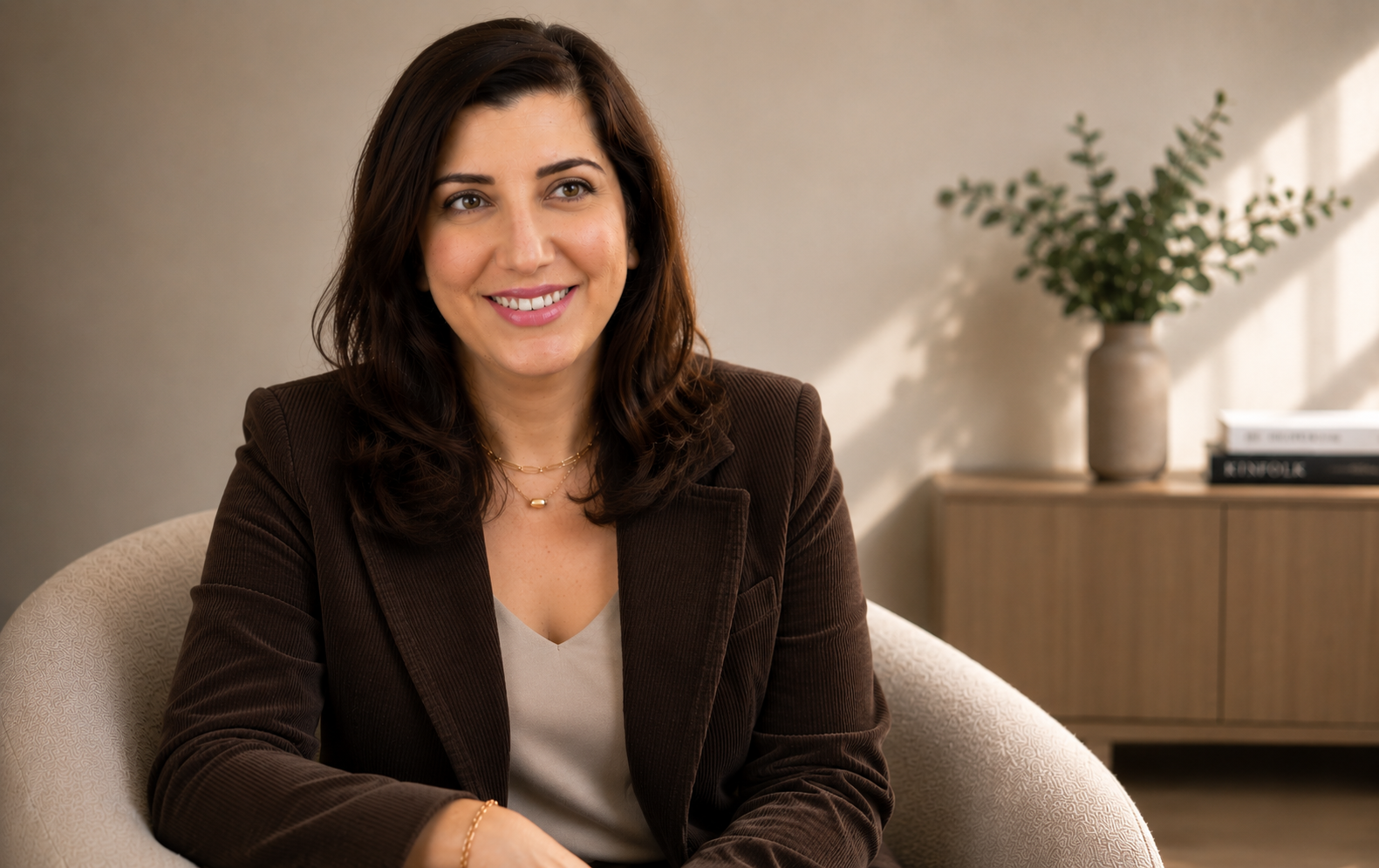
Hi, I'm Dr Celin Gelgec.
I'm a Clinical Psychologist, Director of Melbourne Wellbeing Group, AHPRA Board Approved Supervisor, and someone who has spent more than fifteen years working with people and families impacted by OCD.
Over that time, I've worked across therapy, supervision, training, and consultation. I've had the privilege of supporting people through some of the most challenging periods of their lives, while also helping clinicians build confidence in their work with OCD.
It's work I continue to find meaningful and endlessly interesting.
How I got here…
My clinical focus on OCD began during my Clinical Doctorate training at Deakin University, when I completed a placement at The Melbourne Clinic's OCD Inpatient Programme.
At the time, I expected OCD to be one part of my training. Instead, it became the foundation of my career. The inpatient programme saw some of the most complex presentations in the country.
What struck me most wasn't simply how distressing OCD could be. It was how often it was misunderstood, missed, or mistaken for something else entirely.
What I learned there shaped everything that followed.
I remained with the programme for 3 more years after graduating before eventually establishing Melbourne Wellbeing Group. Since then, my work has remained focused on OCD across the lifespan, supporting children, adolescents, adults, families, and the clinicians who work alongside them.
A question I often get asked is, Why OCD?
Fifteen years later, the reason I continue to focus on OCD remains much the same. OCD is one of the most well-researched conditions we have. Effective treatments exist. And yet many people spend years feeling misunderstood, misdiagnosed, or receiving treatment that never quite addresses what is keeping the problem going.
I continue to be fascinated by the complexity of OCD and deeply motivated by the difference that accurate assessment, effective treatment, and genuine understanding can make in someone's life.
Whether I'm sitting with a client, supervising a clinician, recording a podcast episode, writing training materials, or delivering a workshop, the goal is ultimately the same: helping people make better sense of OCD and respond to it more effectively.
My Credentials
Qualifications and Professional Roles
Doctor of Clinical Psychology — Deakin University
Bachelor of Applied Science (Psychology), Honours — Deakin University
AHPRA registered Clinical Psychologist (clinical endorsement)
AHPRA-approved clinical supervisor
Director, Melbourne Wellbeing Group
Member, AAPi
Early OCD Training: Clinical placement and extended post-doctoral work, OCD Inpatient Programme, The Melbourne Clinic (2010 - 2013)
Publications, Training, and Education
Published author — including peer-reviewed work on emotion regulation and OCD (Yap et al., Journal of Clinical Psychology, 2018)
Author: Treating OCD: A Clinician’s Guide to Getting Unstuck
Podcast co-host — Breaking the Rules: A Clinician’s Guide to Treating OCD.